Source Themes

Operationalizing dialogic principles computationally - A theory-driven framework for analyzing sustainability discourse at scale
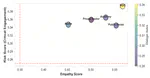
Dialogic theory emphasizes the dynamic, relational, and ethical dimensions of communication, yet empirical methods remain largely confined to small-scale, cross-sectional analyses. To address this methodological limitation, this study presents a theory-driven computational framework for analyzing dialogic communication in large datasets. The framework operationalizes Kent and Taylor’s five dialogic principles through a taxonomy of 259 keywords grounded in seventeen theoretical subdimensions and integrates lexical indicators with behavioral measures, sentiment analysis, validation procedures, and temporal bias correction. Applied to a longitudinal corpus of 9566 Twitter interactions among stakeholder groups in Turkish sustainability discourse, the framework enables comparative analysis of dialogic communication across stakeholder types and over time, while also incorporating systematic attention to voice representation and structural asymmetries. The empirical application illustrates how this approach can identify analytically relevant patterns, including empathy–risk divergence, stakeholder-contingent temporal variation, and unequal communicative access. By distinguishing methodological contribution from empirically grounded interpretation, the study shows how computational methods can be anchored in disciplinary theory while enabling more systematic dialogic analysis at scale.
Different Audiences, Different Logics Platform-Based Political Engagement on YouTube in the 2020 U.S. Election
Dialogic theory emphasizes the dynamic, relational, and ethical dimensions of communication, yet empirical methods remain largely confined to small-scale, cross-sectional analyses. To address this methodological limitation, this study presents a theory-driven computational framework for analyzing dialogic communication in large datasets. The framework operationalizes Kent and Taylor’s five dialogic principles through a taxonomy of 259 keywords grounded in seventeen theoretical subdimensions and integrates lexical indicators with behavioral measures, sentiment analysis, validation procedures, and temporal bias correction. Applied to a longitudinal corpus of 9566 Twitter interactions among stakeholder groups in Turkish sustainability discourse, the framework enables comparative analysis of dialogic communication across stakeholder types and over time, while also incorporating systematic attention to voice representation and structural asymmetries. The empirical application illustrates how this approach can identify analytically relevant patterns, including empathy–risk divergence, stakeholder-contingent temporal variation, and unequal communicative access. By distinguishing methodological contribution from empirically grounded interpretation, the study shows how computational methods can be anchored in disciplinary theory while enabling more systematic dialogic analysis at scale.